Ratu Epeli Nailatikau demonstrated a rare combination of leadership and humility, using his influence not for recognition, but in service of others, particularly the most vulnerable.
This is the solemn condolence message from the Executive Director of UNAIDS, Winnie Byanyima following the passing of Na Turaga Mai Naisogalaca and former President Ratu Epeli Nailatikau.
Byanyima says UNAIDS is deeply saddened by the passing of Ratu Epeli, a steadfast champion of dignity, inclusion, and the HIV response across the Pacific.
She says Ratu Epeli played an important role in shaping the HIV response in the Pacific and his efforts to address stigma and promote community-led approaches have left a lasting impact on the region’s journey towards ending AIDS.
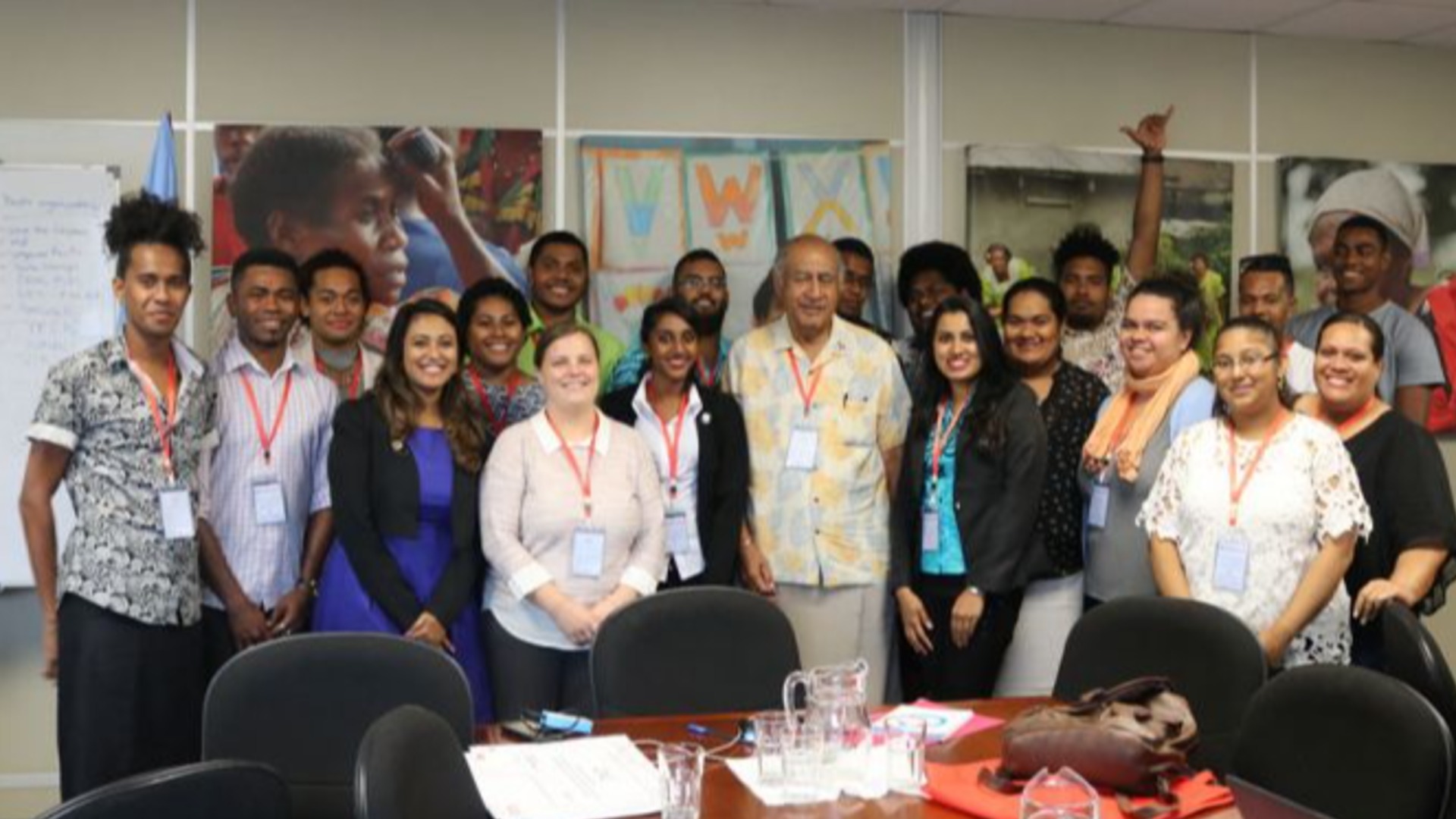
The Executive Director says his commitment to HIV was deeply personal and unwavering, and he stood publicly and consistently with communities affected by HIV at a time when stigma and silence often prevailed.
She adds that he used his voice to normalise open dialogue, challenge discrimination, and advocate for responses grounded in dignity and human rights.
Byanyima says Ratu Epeli’s contributions to the HIV response in Fiji and the Pacific were both visible and transformative.
She says he played a pioneering role in convening regional leadership, including chairing a landmark meeting of Pacific Parliamentarians on HIV in 2004 in Fiji, helping to elevate political ownership of the response at an early stage.
She further says he championed legal and policy reforms that strengthened the enabling environment for HIV, including his leadership during the enactment of Fiji’s HIV/AIDS Act in 2011, which embedded a human rights-based approach to the national response.
She adds that he also supported the removal of HIV-related travel restrictions, positioning Fiji as a leader in reducing discrimination and advancing equitable access to services.
The Executive Director says that beyond policy, he was deeply engaged at the community level.
She says he travelled across Fiji, including visiting schools to speak directly with young people about HIV prevention, awareness, and responsibility, helping to shape a generation with greater understanding and openness.
Byanyima says Ratu Epeli also engaged directly with people living with HIV and key populations, lending his presence and voice to efforts aimed at breaking down stigma and strengthening community-led responses.
She adds that Ratu Epeli worked closely with UNAIDS over many years, not as a symbolic figure, but as an active and trusted partner.
She says from global platforms, including addressing the United Nations High-Level Meeting on AIDS, to national and community engagements, he consistently called for bold action to end stigma and advance equitable access to prevention, treatment, and care.
The Executive Director says Ratu Epeli was more than an ambassador in title; he was a bridge between leadership and community, between policy and lived experience.
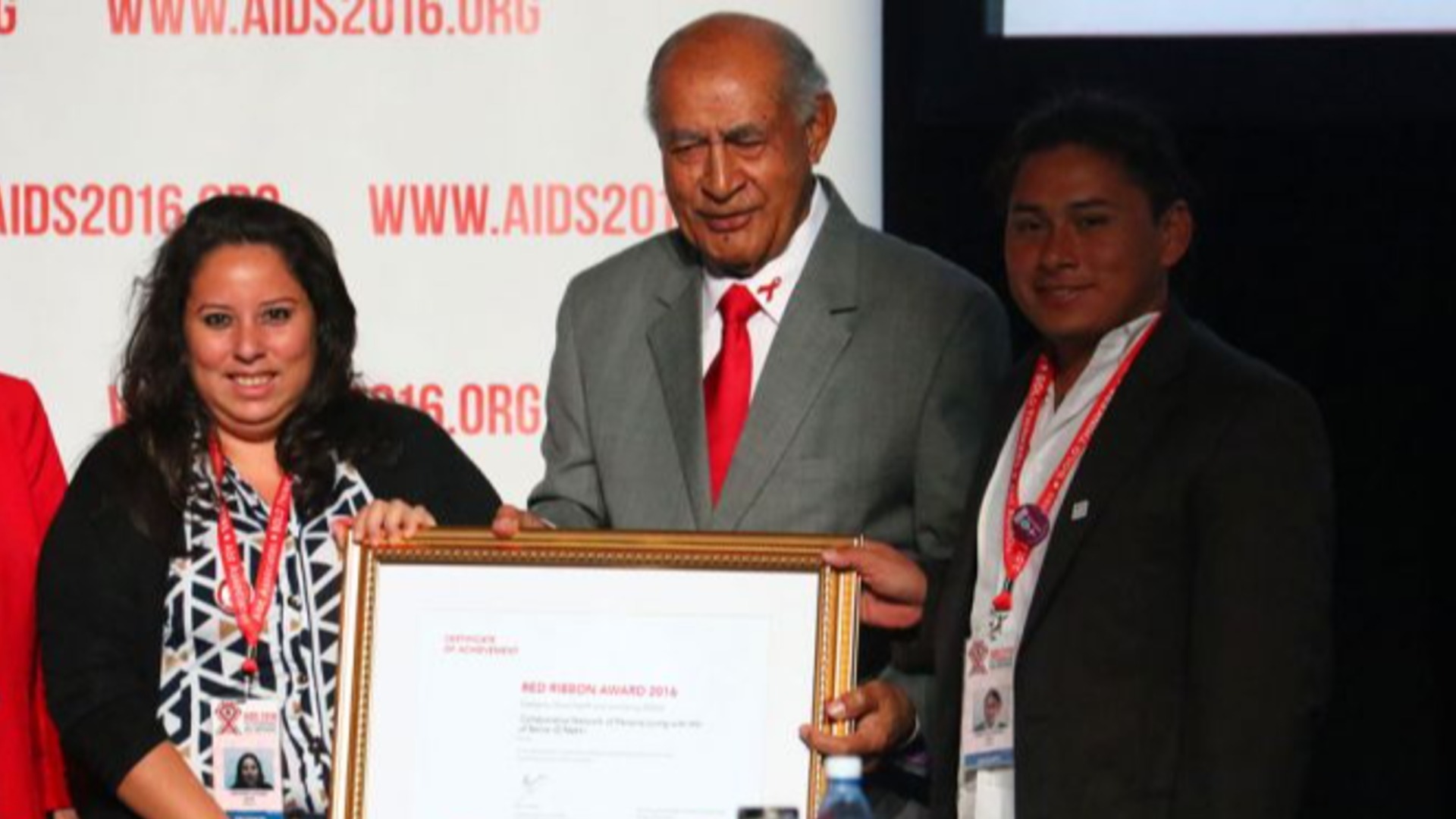
She says his advocacy helped shape a more open, inclusive, and people-centred HIV response in Fiji and across the Pacific.
She adds that the spirit of rugby he often invoked reminded us that ending AIDS requires teamwork, discipline, and collective responsibility, no one wins unless we move forward together.
Byanyima says UNAIDS extends its heartfelt condolences to his family, the people of Fiji, and communities across the Pacific whose lives he touched through his leadership and compassion.
She says Ratu Epeli’s voice will be deeply missed, but his legacy will endure in the continued effort to end HIV and ensure that no one is left behind.