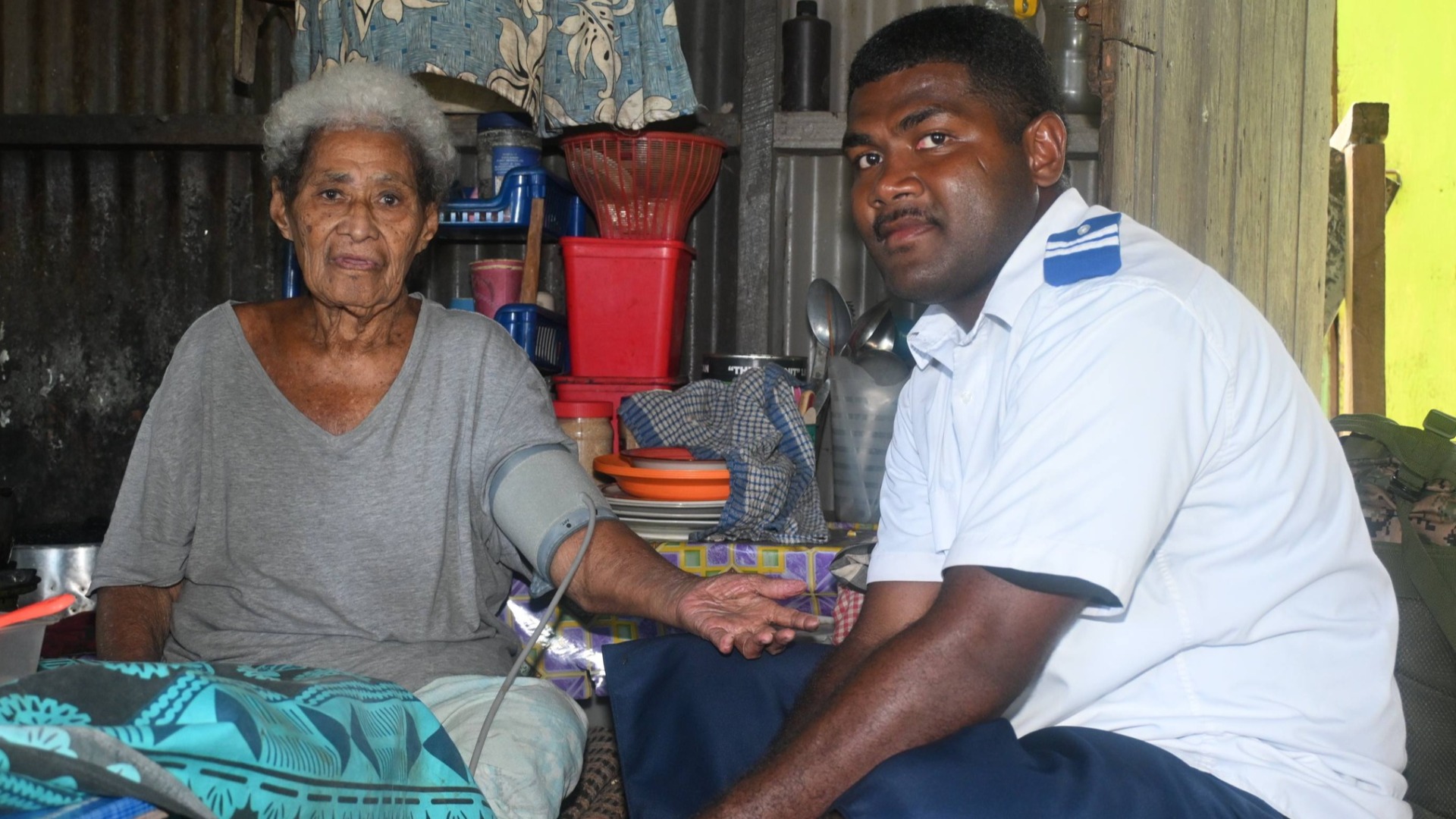
For elderly, bedridden Fijians living with diabetes, care extends far beyond medication; it is a daily act of veilomani, or compassion, that preserves dignity and prevents life-threatening complications.
Across the country, families and community health workers are being reminded of the importance of home-based care, as immobility increases serious health risks such as pressure sores, uncontrolled blood sugar and fast-spreading infections.
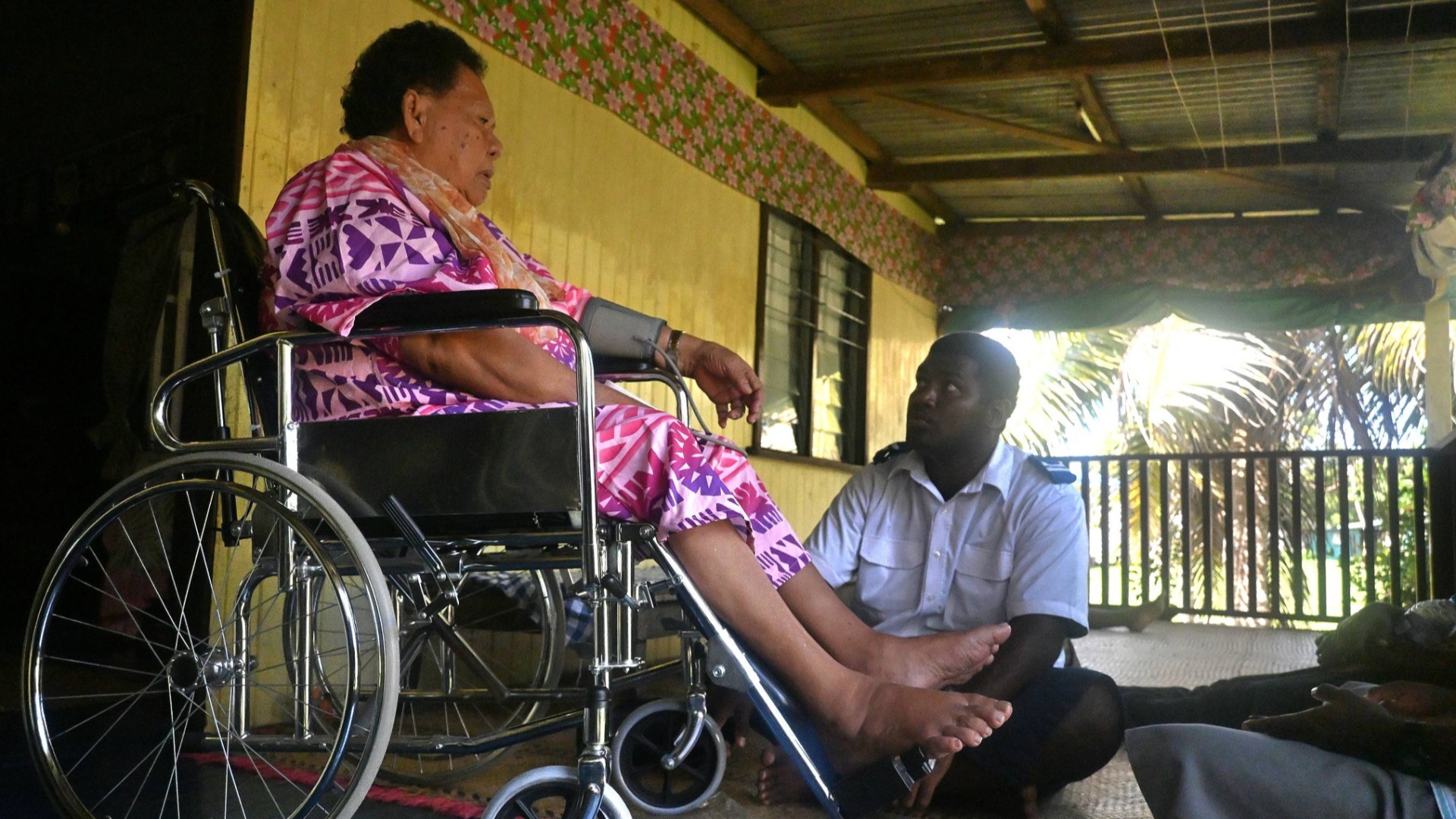
Lakeba Subdivisional Hospital physiotherapist Mereseini Banuve says that a bedridden tua (grandparent) requires regular foot checks, even if they do not walk.
She says a small blister left unnoticed can lead to amputation within weeks.
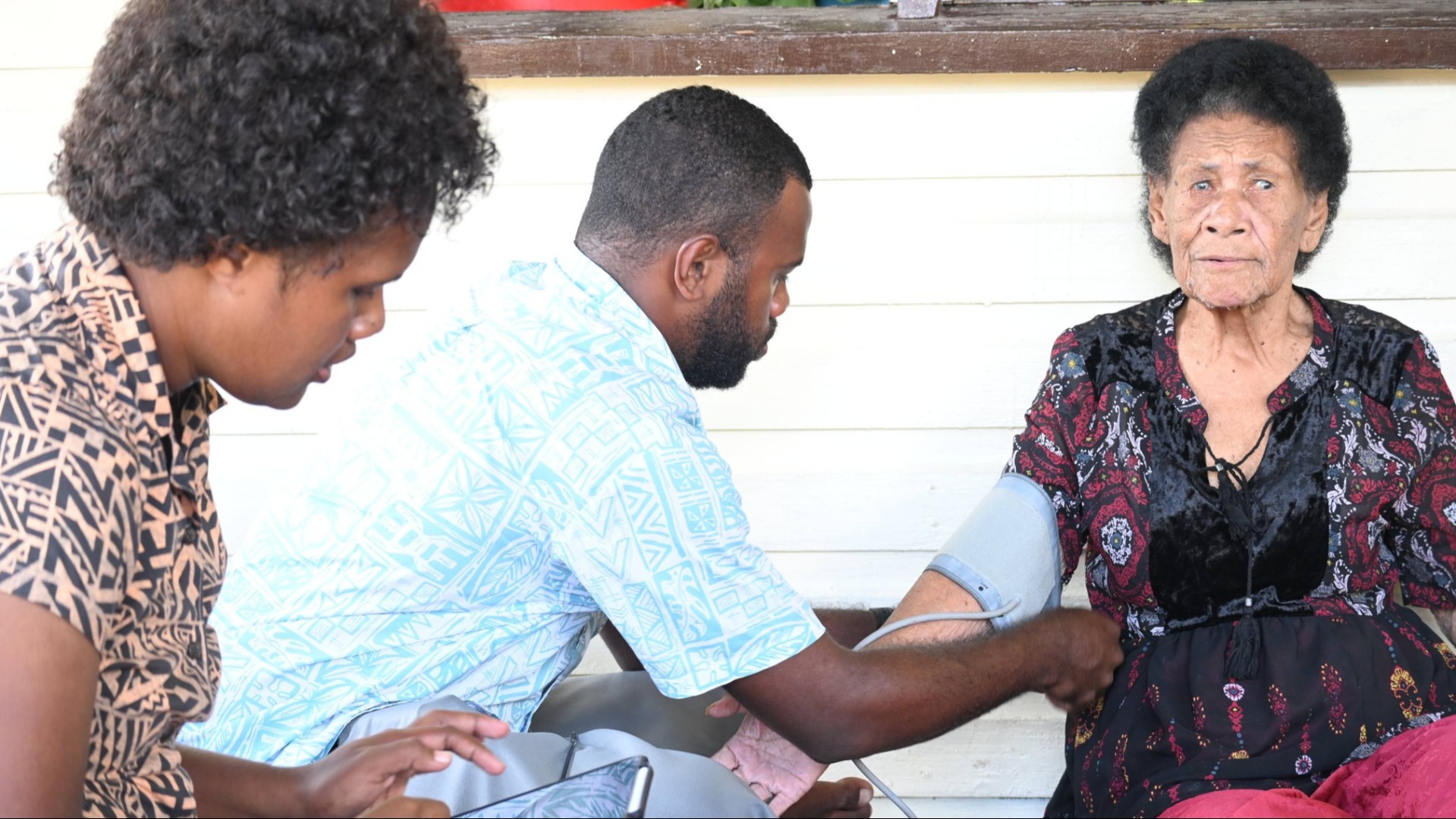
The Ministry of Health and Medical Services emphasises that proper care includes repositioning patients every two hours to prevent ulcers, maintaining good skin hygiene and providing meals with controlled carbohydrates on time.
They are also urging caregivers to ensure consistent hydration and strict adherence to medication, as dehydration and missed insulin doses can quickly lead to dangerous hyperglycaemia.
The Ministry continues to train village health aides to better support families, particularly those managing care with limited resources.
Banuve adds that simple actions such as turning a patient, checking their skin and offering healthier options like oats-based porridge instead of refined starch can help save lives.