Minister for Health Dr Atonio Lalabalavu has revealed that Fiji continues to face a growing burden of non-communicable diseases, including diabetes and cardiovascular disease, alongside an ageing population, highlighting the need for a well-equipped National Rehabilitation Centre.
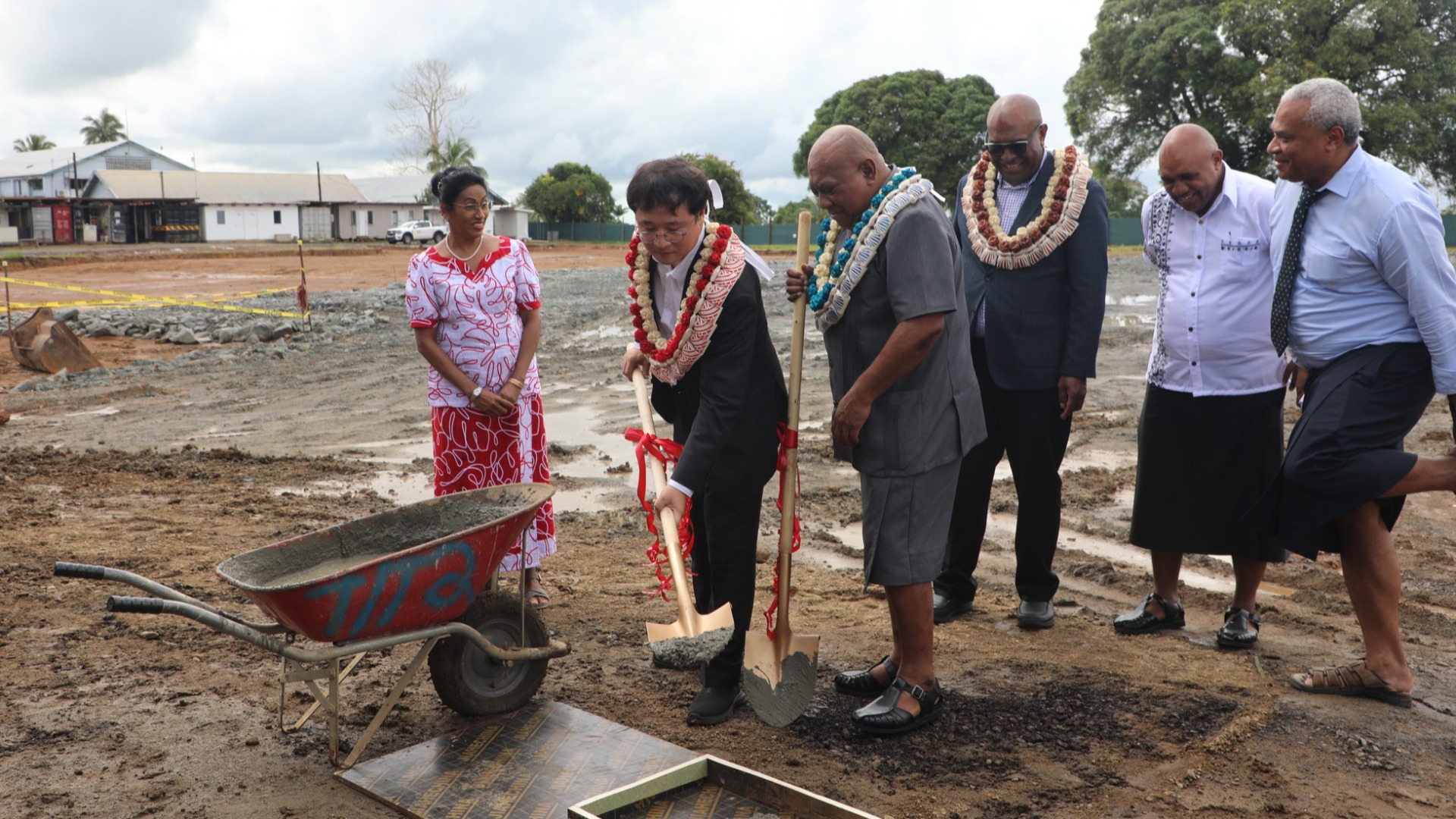
Speaking at the ground-breaking ceremony of the National Rehabilitation Centre in Tamavua, Dr Lalabalavu says these challenges are contributing to increased rates of disability, particularly amputations and stroke-related impairments.
He says current statistics indicate that approximately 300 new stroke cases are recorded annually in Fiji, yet many of these patients do not receive adequate rehabilitation, especially after being discharged from the main hospital.
The Minister says this reveals a critical gap in continuity of care, one that the new centre is designed to address.
He adds that in 2025 alone, 1,650 patients accessed outpatient rehabilitation services, while a further 770 were reached through outreach programmes.
He says the current rehabilitation ward, with a capacity of just 12 beds, admitted 72 patients over the past year, with most requiring prolonged inpatient care.
Dr Lalabalavu says the demand clearly exceeds current capacity, and the situation is even more pressing when considering amputations.
He says in Fiji, amputations occur as frequently as one every 12 hours, largely due to complications from diabetes.
He adds that national data indicates approximately 350 individuals require major lower limb prostheses, with an additional 300 needing replacements each year.
Dr Lalabalavu says these figures highlight the immense and growing pressure on rehabilitation services across the country.
He says the new National Rehabilitation Centre will directly respond to this need, providing a 20-bed inpatient facility for individuals requiring intensive rehabilitation care.
He says it will expand access to advanced physiotherapy programmes and introduce a broader range of services, including occupational therapy, speech therapy, counselling, and social support services.
He also says the initiative will strengthen the capacity of Fiji’s healthcare workforce.
Dr Lalabalavu says the project has been made possible through the generous support of the Government of the Republic of Korea, through the Korea International Cooperation Agency (KOICA), with a contribution of US$10 million towards construction.
He says once completed, the centre will deliver comprehensive rehabilitation services, including physiotherapy, occupational therapy, speech therapy, counselling, and community reintegration support—services he described as essential for recovery, resilience, and inclusion.