Natuvu, Seaqaqa cane farmer Girja Nand says he does not know how he will care for his son after losing the farm he has depended on all his life, following the non-renewal of his lease.
While speaking to fijivillage News, the 43-year-old says he has been farming for about 29 years, taking over from his 80-year-old father, who had worked the same land for 50 years.
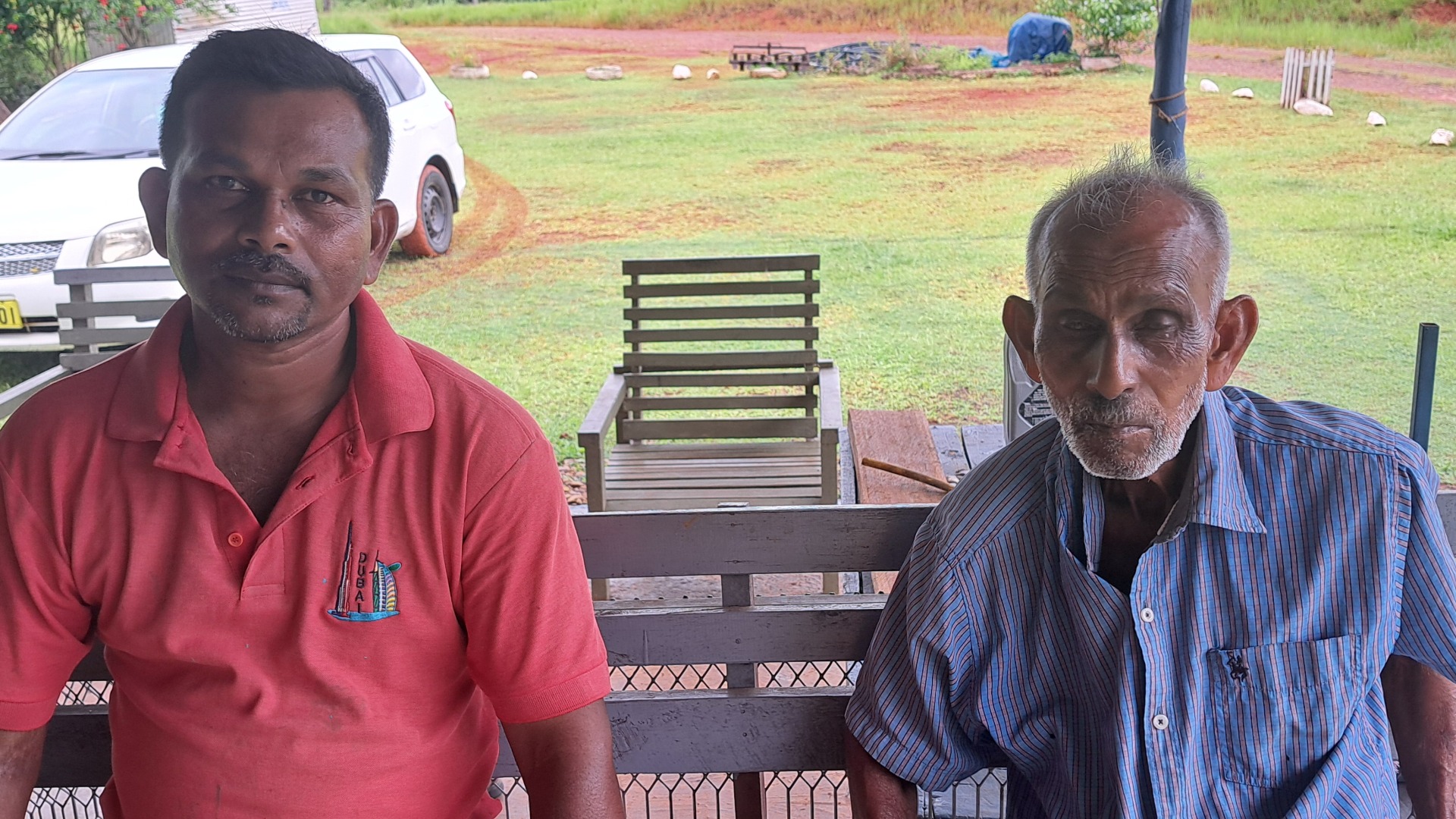
Nand says the lease expired on 1st January this year, and they were first given notice of non-renewal five years ago.
He says farmers were told the land would be subdivided and that some portions would be made available to them.
However, Nand says the notice lacked clear details about land preparation and the application process.
He says an application was submitted on 1st January, but it was rejected along with others.
The land was later subdivided and sold, prompting him to apply again for at least 15 acres; an application that was also unsuccessful.
Nand says they later applied for a residential block and were quoted prices ranging from $18,000 to $23,000, with their offer set at $18,500.
Despite receiving no formal notice initially, they were told to apply and proceed with payments.
He says they paid $2,500 upon receiving an offer but were later asked to pay more and enter into payment arrangements.
Nand says after paying a total of $5,000, their file was closed due to incomplete payment, as he no longer had a stable source of income.
He now fears that money is lost.
He says the situation has left his family in a desperate position where they once relied on the farm to earn a living, but without it, they no longer have the means to secure a lease on the land that has supported their family for two generations.
He says he once harvested up to 400 tonnes of sugarcane, along with six tonnes of rice and various vegetables.
He now survives on occasional carpentry work, but opportunities are scarce in Seaqaqa.
Nand believes that if the government had listened to their concerns, they would have been allocated 12 to 15 acres of land, allowing them to sustain their families during the development process.
Now, he says he is deeply worried about how he will provide for his son, who is in Year 10, and his 80-year-old father.
Nand says about 15 other farmers are facing the same situation.
This is not just Nand’s struggle as many farmers in Seaqaqa and Daku in Labasa are now left with little to no land, and no clear way to support their families.
50-year-old Mohammed Rafiq says he used to harvest more than 5,000 tonnes of cane and earn over $12,000 per season but that stopped last when the land was returned to the mataqali due to non-renewal of lease.
He says he is now relying on livestock farming.
Rafiq says he has been told by the iTaukei Land Trust Board Telling to apply for a block of land for their our house.
He says he would need to pay more than $30,000 for it and another $30,000 for the cane farm.
Another farmer from Vunivere in Seaqaqa, 50-year-old Hirday Narayan says he has been farming for 30 years and his farm lease has also not been renewed.
Narayan says leases are typically renewed every 30 years, with farmers paying around $30,000 for renewal.
He stresses that land security for farmers would strengthen both the sugar industry and the wider economy.
Narayan fears this could be the last generation involved in sugarcane farming, noting that he is a second-generation farmer.
He says he has been struggling to secure loan approvals for his farm due to the uncertainty surrounding land leases.
Narayan adds that his lease expired last year after the mataqali indicated they wanted the land returned for their own use.
He says the area once produced around 10,000 tonnes of cane, highlighting the scale of farming in the region.
Living about 40 kilometres from Labasa Town, Narayan says they are based in a remote area with limited opportunities for work.
He says farmers continue to work hard for the country and deserve greater security over the land they depend on.
Narayan adds that about 25 farmers in Vunivere are now uncertain about whether their leases will be renewed.
80-year-old cancer survivor Daya Wati from Daku in Labasa says her land lease was not renewed last year but she continues to live in the home she shared with her husband and raised their 8 children in.
Wati reveals that she underwent a mastectomy after battling breast cancer and returned from Suva just two months after treatment.
She lives with her son and now relies on livestock farming, selling cattle, and social welfare for survival but she does not know when the mataqali decides to remove them from the property.
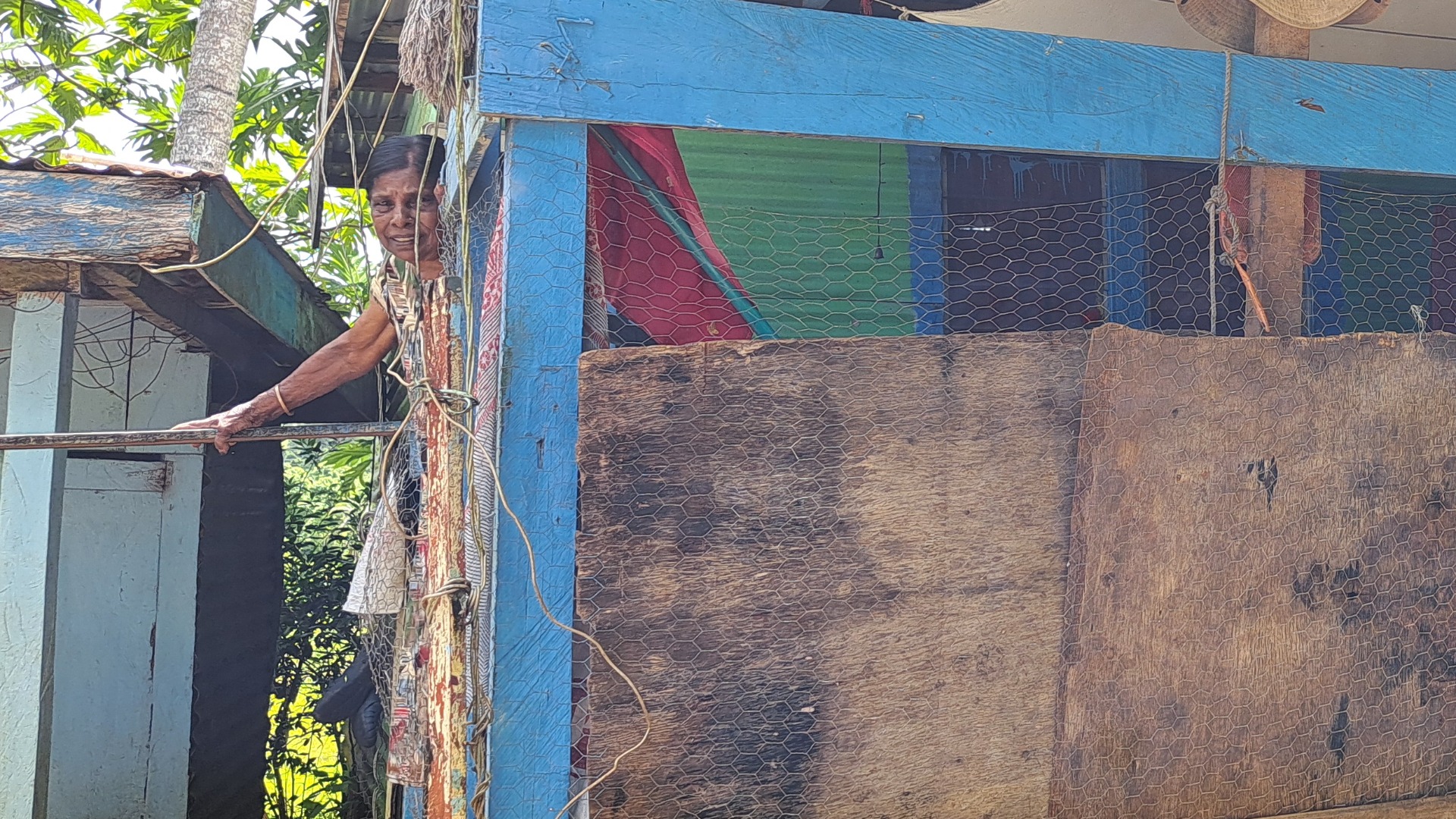
Wati says she previously harvested about 150 tonnes of cane but now has no other reliable way to earn an income and no one to properly look after her.
She adds that although she planted cane, she has been unable to harvest it since losing the land lease.
HINDI Insert: Wati on farm 26 mar
She says she planted many fruits, vegetables and other crops, but all have now been overtaken by nature, with no legal way for her to reclaim them.
While speaking on behalf of the Macuata Province, Tui Labasa Ratu Jone Qomate has stressed that if landowners have sitting tenants, they should not remove them without a reason.
He says landowners should at least take into consideration what they are trying to do as sometimes they take over the land and leave it idle.
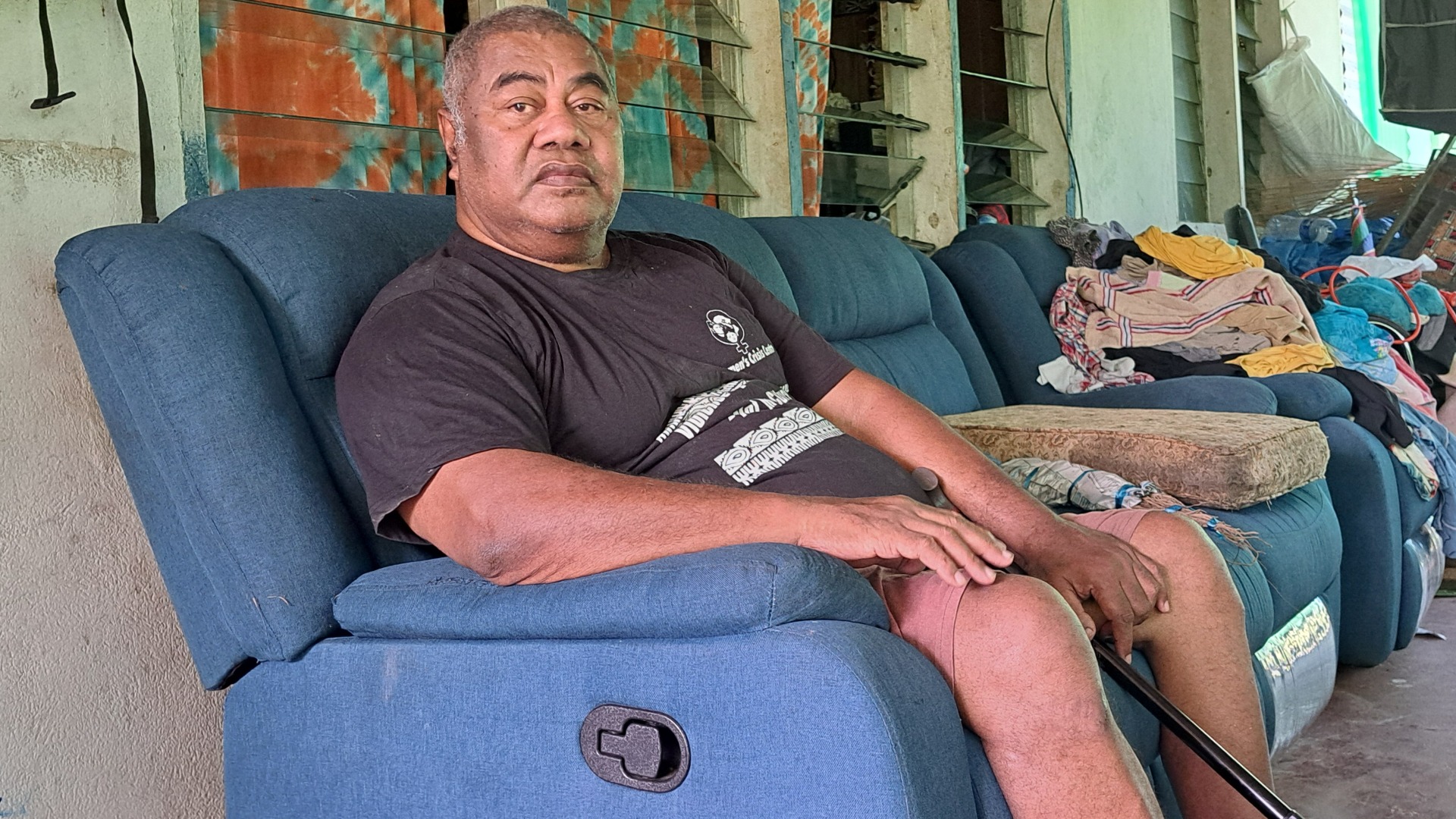
The Tui Labasa says they do not want to ever repeat what happened in 2003 when many leases were not renewed.
He is also stressing to the mataqali members, that if they want to go and sit on the land, they should produce, otherwise they will be removed too.
Ratu Jone says tenants must also be productive.
INSERT: Tui Labasa to Mataqali 26 mar
He adds that the iTLTB and the tenant should liaise with the landowners, and they cannot simply take over the land, or they will have to pay compensation.
The Ministry of iTaukei Affairs and iTLTB are yet to respond to our questions.