Four astronauts aboard Artemis II are heading back to Earth after completing a historic lunar fly-by that has taken them further into space than any humans before.
The crew travelled beyond the previous record set during the Apollo 13 mission in 1970, reaching a distance of approximately 248,655 miles (400,000 kilometres) from Earth.
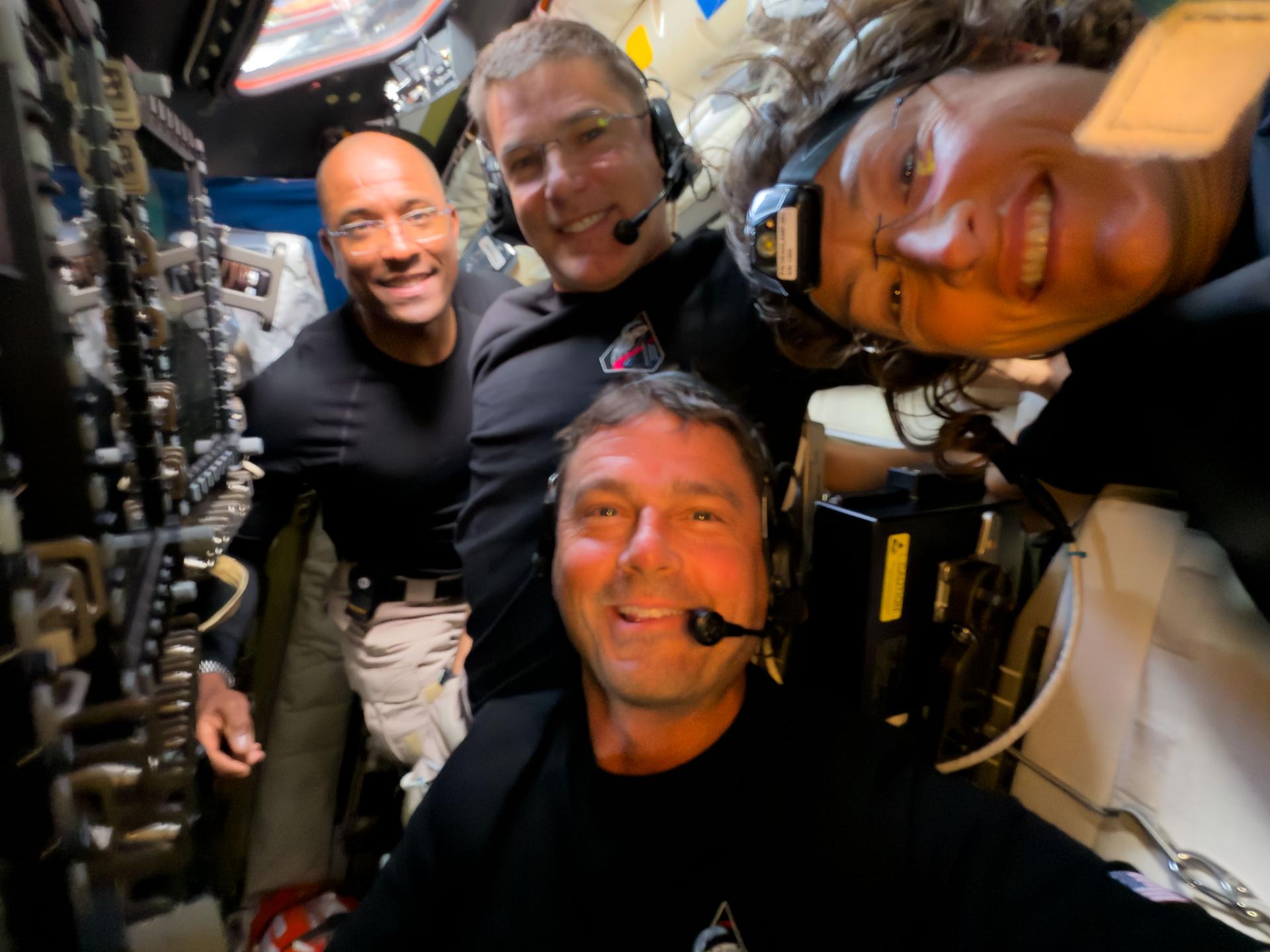
The milestone was achieved while onboard the Orion spacecraft, marking a significant moment in modern human space exploration.
During the mission, the astronauts experienced a scheduled communications blackout lasting around 40 minutes as they passed behind the Moon, temporarily losing contact with Earth.
Once communications were restored, NASA astronaut Christina Koch expressed relief, saying it was “so great to hear the Earth again".
The spacecraft later descended to within a few thousand miles of the lunar surface, giving the crew a rare and dramatic view of a total solar eclipse, as the Moon completely obscured the Sun.
Canadian astronaut Jeremy Hansen reflected on the achievement, noting the significance of surpassing previous limits in human space travel.
The mission marks a major step forward for NASA’s Artemis programme, which aims to return humans to the Moon and eventually pave the way for future missions to Mars.
Source: BBC News